- Scientific name
- Cyprinus carpio
- Swedish name
- Karp
- Maximum length
- up to 100 cm
- Maximum weight
- up to 25 kg
- Spawning
- Juni bei über 18 °C
- Swedish record
- Kapitale Fische über 20 kg
Technique in brief
Classic carp fishing with a boilie or maize on a hair rig, a fixed-lead rig and a bite alarm. Because of the low stock density, choosing the right place matters more than elsewhere — sunlit islands, vegetation edges and shallow bays that warm up quickly are the first places to try.
Tackle
Carp rod 2.75–3.60 m with 2.5–3.0 lbs, robust reel with a baitrunner, main line from 0.30 mm. An unhooking mat, large landing net and disinfectant for hook wounds are part of the standard equipment.
Handling the catch
Carp are rare in Swedish waters and valuable to the stock. Use an unhooking mat, never place the fish on dry ground, treat hook wounds and release it promptly. Taking fish is discouraged or prohibited in most fisheries.
Season by country
- Jan Quiet
- Feb Quiet
- Mar Quiet
- Apr Quiet
- May Good
- Jun Prime time
- Jul Prime time
- Aug Prime time
- Sep Good
- Oct Quiet
- Nov Quiet
- Dec Quiet
Prime time · Good · Quiet
The calendar shows bite windows, not closed seasons. Binding closed seasons and minimum sizes are set by the individual water and appear on its page.
Where in Scandinavia
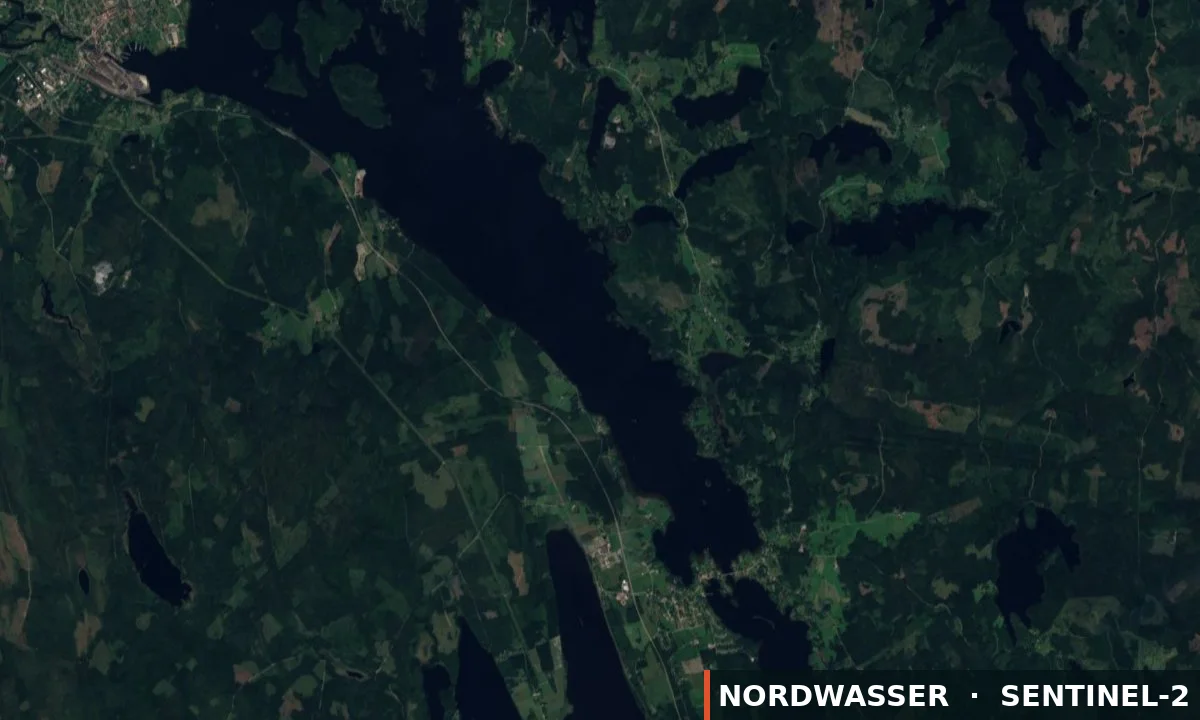
- Fishing for Carp in Sweden 65 waters
Official sources
Checked: 04.08.2026
Frequently asked questions
Are there good carp waters in Sweden?
Yes, particularly in Skåne, Blekinge and southern Småland. They are predominantly managed lakes with their own permit rules and often with mandatory release.
How large do carp grow in Sweden?
Stocks are sparse, but the individual fish are heavy — specimen fish over 20 kg have been documented in southern Swedish waters.
May I take carp?
Not in most managed carp waters. Mandatory release is part of the permit there; read the fishery's rules before travelling.
.jpg?utm_source=nordwasser&utm_medium=referral)


