- Scientific name
- Tinca tinca
- Swedish name
- Sutare
- Maximum length
- up to 70 cm
- Maximum weight
- up to 7 kg
- Spawning
- Juni–Juli bei hohen Wassertemperaturen
- Swedish record
- Kapitale Fische über 4 kg
Technique in brief
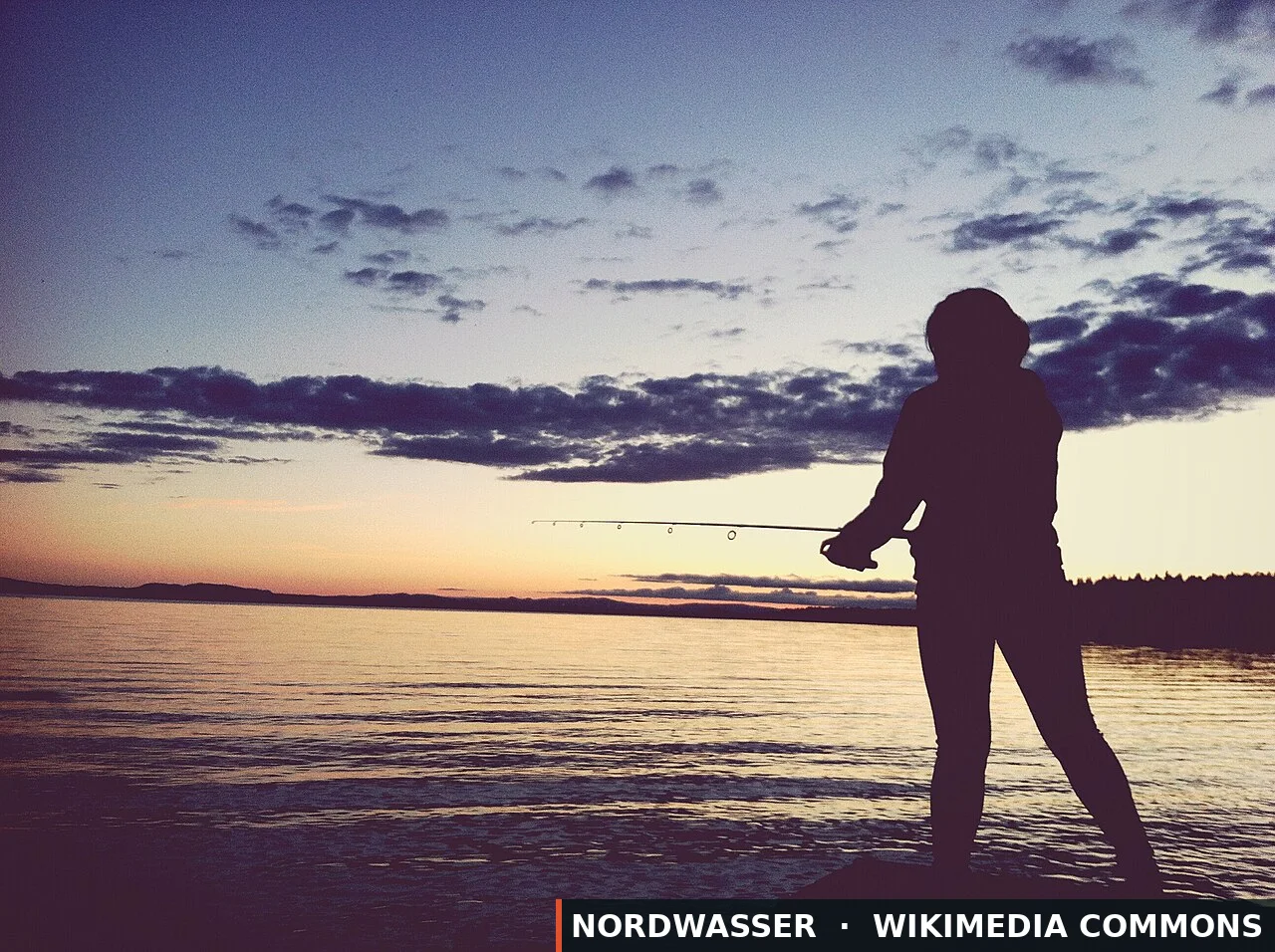
Use delicate float fishing in gaps in the vegetation and along the edges of water lilies, feeding the swim sparingly but precisely. The best time is early morning between sunrise and eight o'clock; after that, the fish retreats. Bites are typically hesitant — the float moves sideways rather than submerging.
Tackle
A stronger match rod or light feeder rod is necessary because the fight almost always takes the fish into the vegetation. Main line around 0.22 mm, hooks 8–12, with sweetcorn, maggots, worms or pieces of bread as bait.
Handling the catch
The tench has a particularly thick layer of mucus and is susceptible to injury. Wet hands, little time out of the water, unhooking over the mat — then it can be returned unharmed.
Season by country
- Jan Quiet
- Feb Quiet
- Mar Quiet
- Apr Quiet
- May Good
- Jun Prime time
- Jul Prime time
- Aug Prime time
- Sep Good
- Oct Quiet
- Nov Quiet
- Dec Quiet
Prime time · Good · Quiet
The calendar shows bite windows, not closed seasons. Binding closed seasons and minimum sizes are set by the individual water and appear on its page.
Where in Scandinavia
- Fishing for Tench in Sweden 286 waters
Official sources
Checked: 04.08.2026
Frequently asked questions
What is the best time of day for tench?
The first hour after sunrise. Tench feed early and retreat into dense vegetation as the sun rises.
Where are tench found in Swedish lakes?
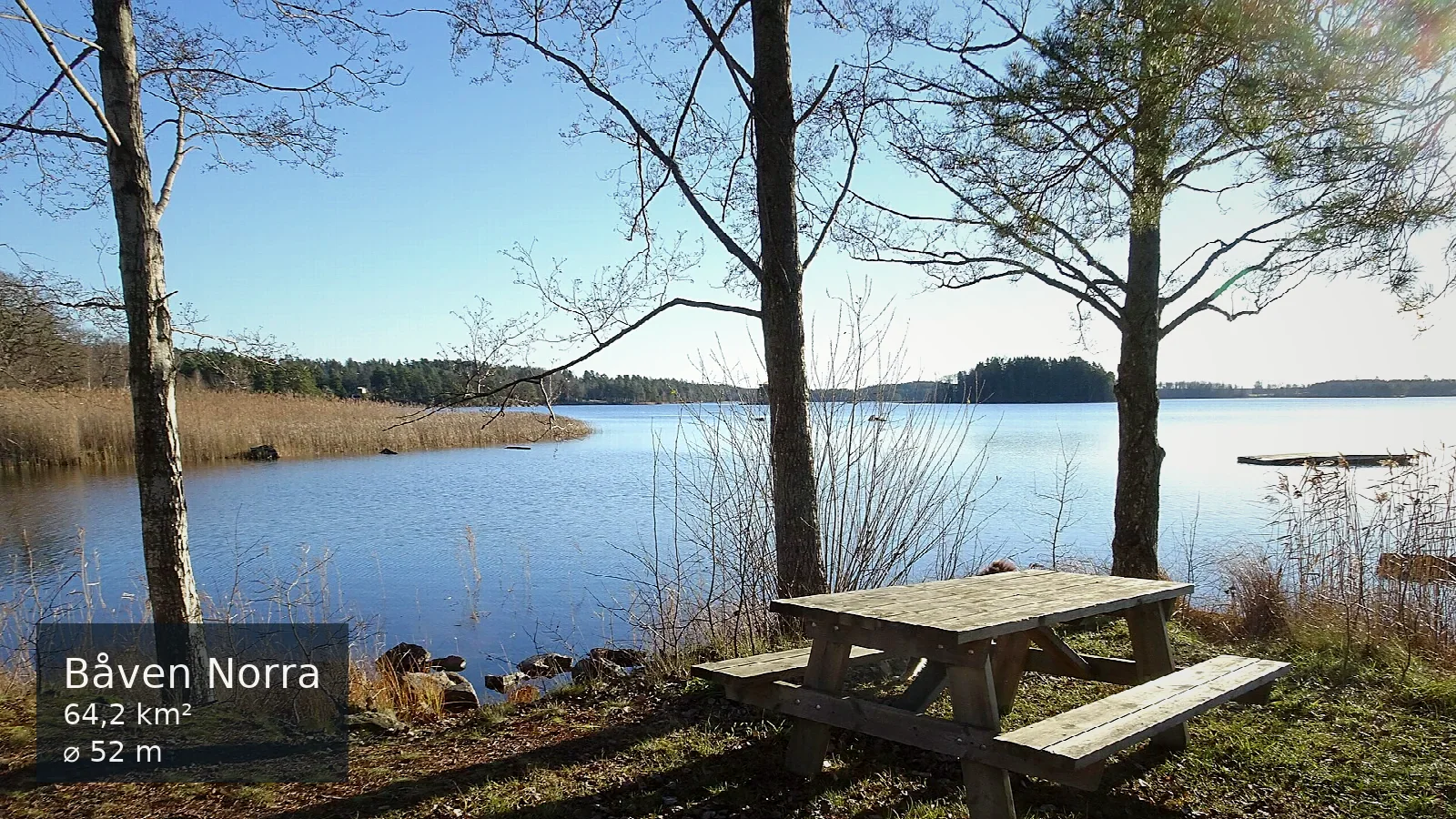
In shallow, vegetated bays with soft bottoms, among beds of water lilies and along reed edges — rarely in clear, deep water.
Why are tench bites so difficult to detect?
The tench sucks in the bait and moves slowly; the float trembles and moves sideways rather than going decisively under. Striking at the first clear movement is usually right.


.jpg?utm_source=nordwasser&utm_medium=referral)


