- Scientific name
- Sander lucioperca
- Swedish name
- Gös
- Maximum length
- up to 100 cm
- Maximum weight
- up to 12 kg
- Spawning
- Frühjahr, meist April–Juni
- Swedish record
- Kapitale Fische über 10 kg
Technique in brief
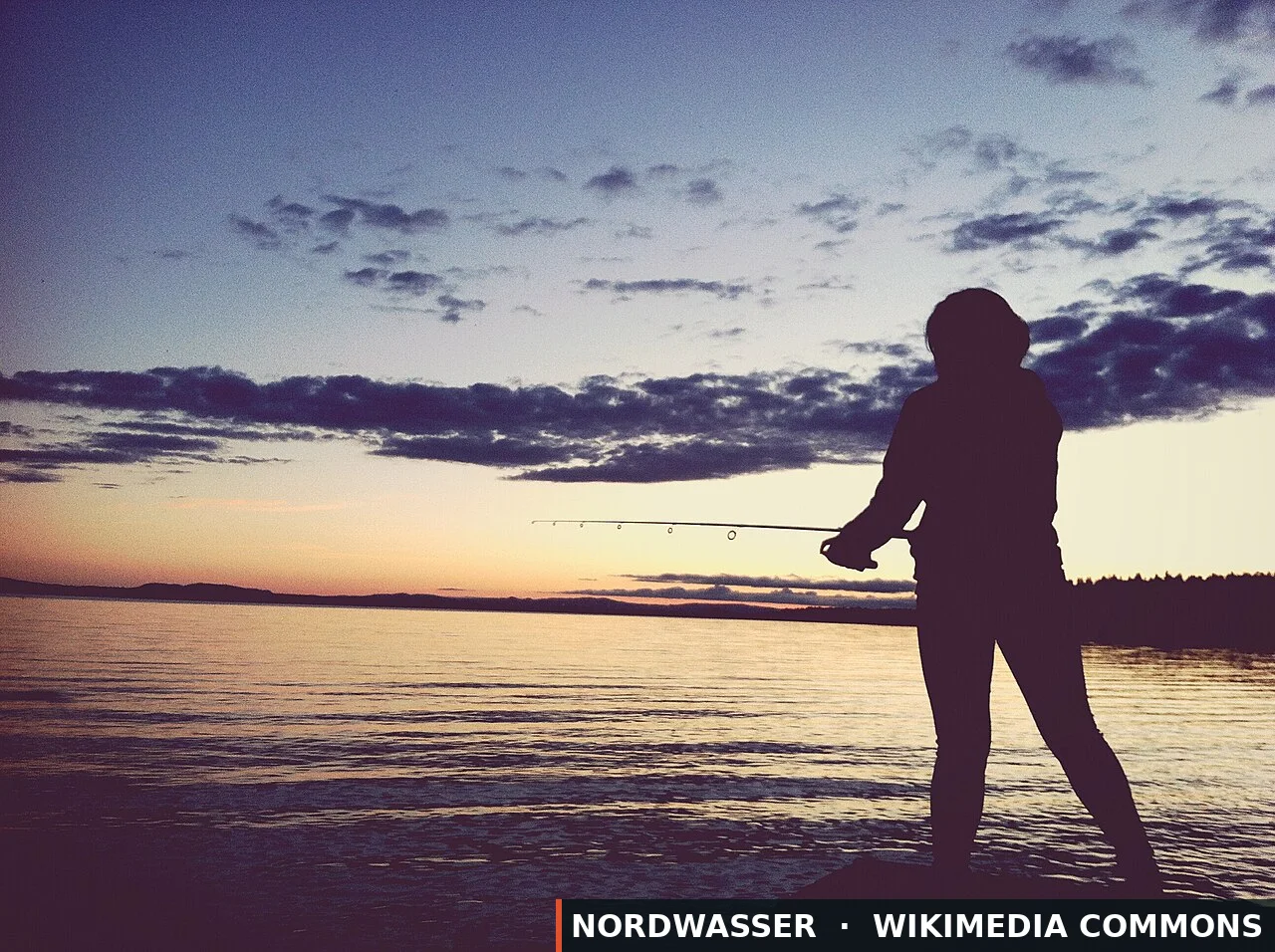
Vertical fishing from a boat over drop-offs and channels is the most precise method, while a soft plastic lure on a jig head is the most versatile. From the bank, groynes, harbour entrances and inflows are worthwhile at dusk. Depth is crucial: zander are almost always close to the bottom or directly at the thermocline.
Tackle
A stiff rod with a casting weight of 15–45 g and direct feedback, thin braided line and a fluorocarbon leader of around 0.35 mm. Because pike inhabit the same water, a bite-resistant leader is the safer choice, even if it costs bites.
Handling the catch
Zander have sensitive eyes and a pressure-sensitive jaw. Fish brought up from great depths suffer from pressure-equalisation problems — anyone fishing at a depth of over ten metres should take fish rather than release them, or fish in shallower water.
Season by country
- Jan Quiet
- Feb Quiet
- Mar Quiet
- Apr Quiet
- May Good
- Jun Prime time
- Jul Prime time
- Aug Prime time
- Sep Prime time
- Oct Good
- Nov Good
- Dec Quiet
Prime time · Good · Quiet
The calendar shows bite windows, not closed seasons. Binding closed seasons and minimum sizes are set by the individual water and appear on its page.
Where in Scandinavia
- Fishing for Zander in Sweden 418 waters
Official sources
Checked: 04.08.2026
Frequently asked questions
When is the best time to fish for zander?
The summer and early autumn months from June to September, and during the day, dusk and night. In clear lakes, the feeding period shifts markedly into the hours of darkness.
Is there a minimum size for zander in Sweden?
There is no single nationwide minimum. In several waters, 40 cm applies; the binding figure is stated in the rules for the respective fishing area or by Havs- och vattenmyndigheten for the coast and the five large lakes.
Where can you catch zander in Sweden?
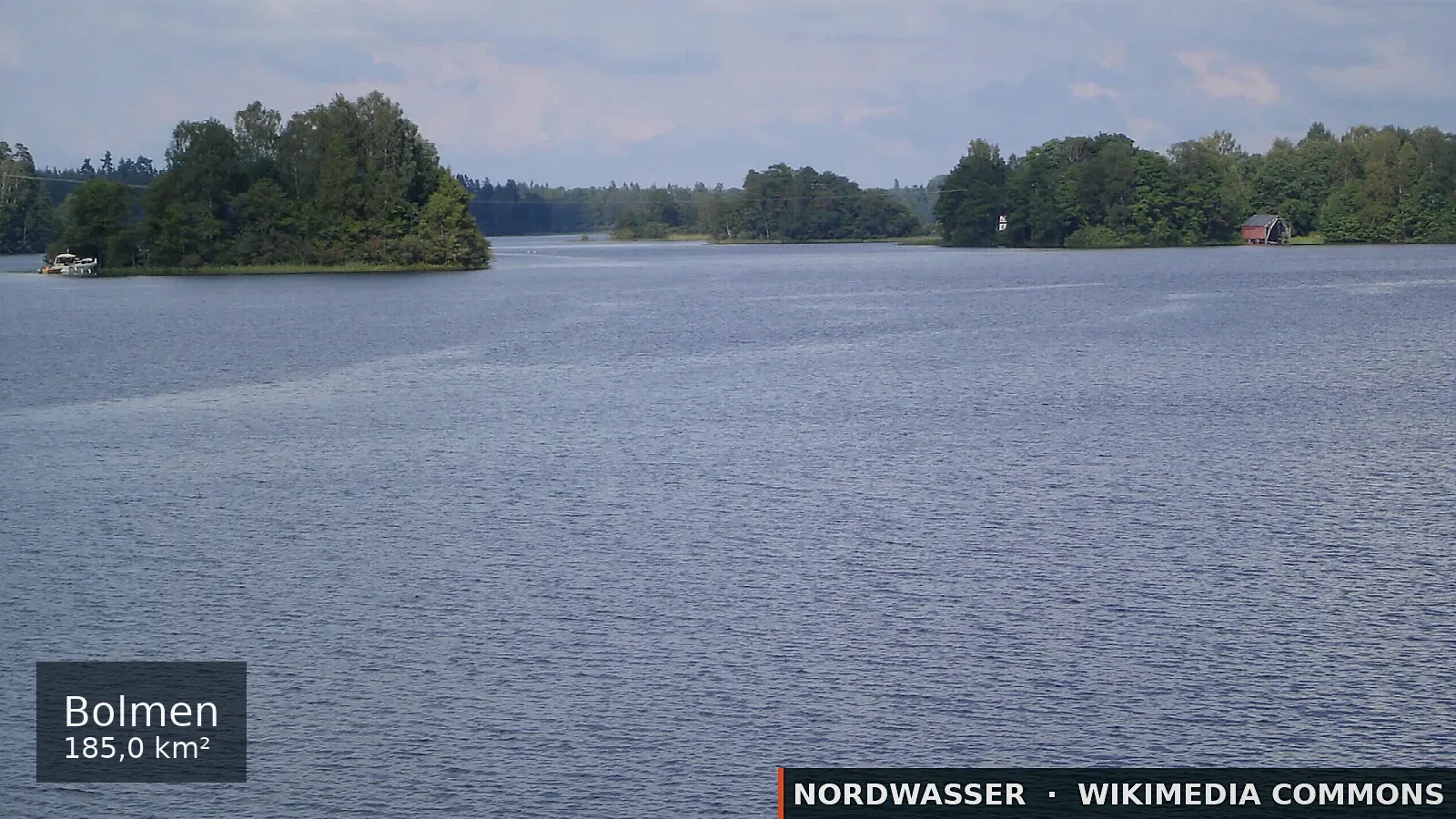
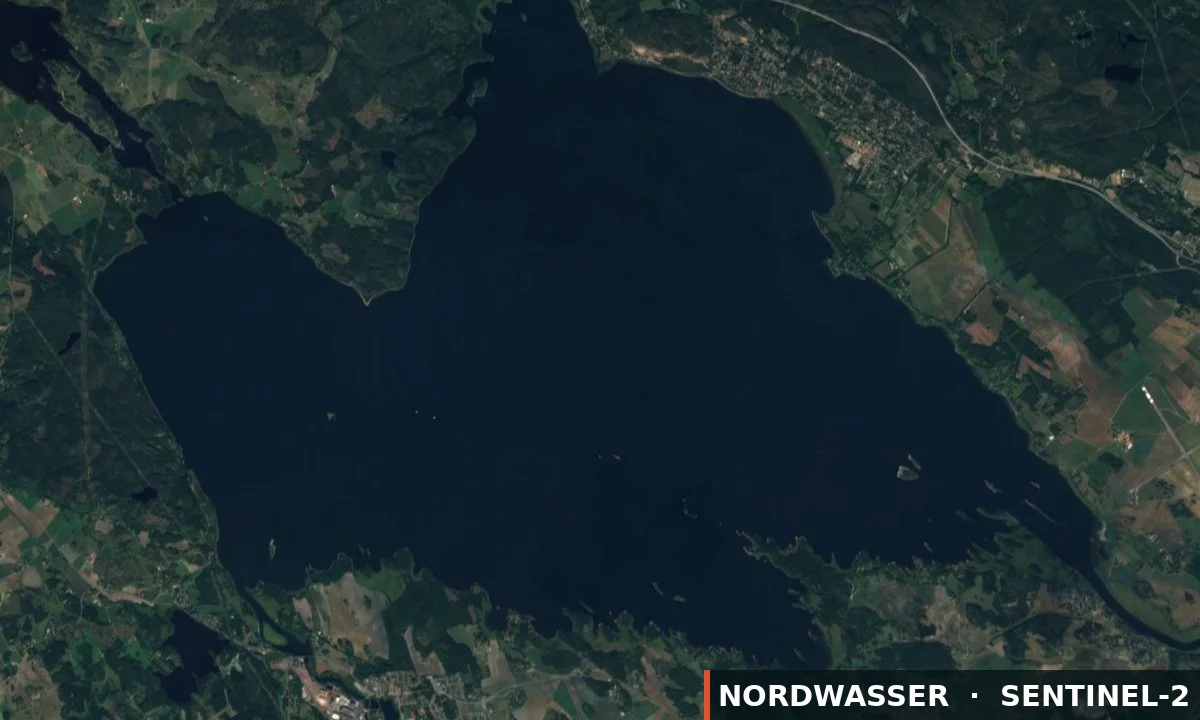
In the large, generally murkier lakes of southern and central Sweden — Mälaren, Hjälmaren, Vänern and the lakes of Östergötland and Södermanland. The species is scarcely found in the north.
.jpg?utm_source=nordwasser&utm_medium=referral)


