Show the full source description
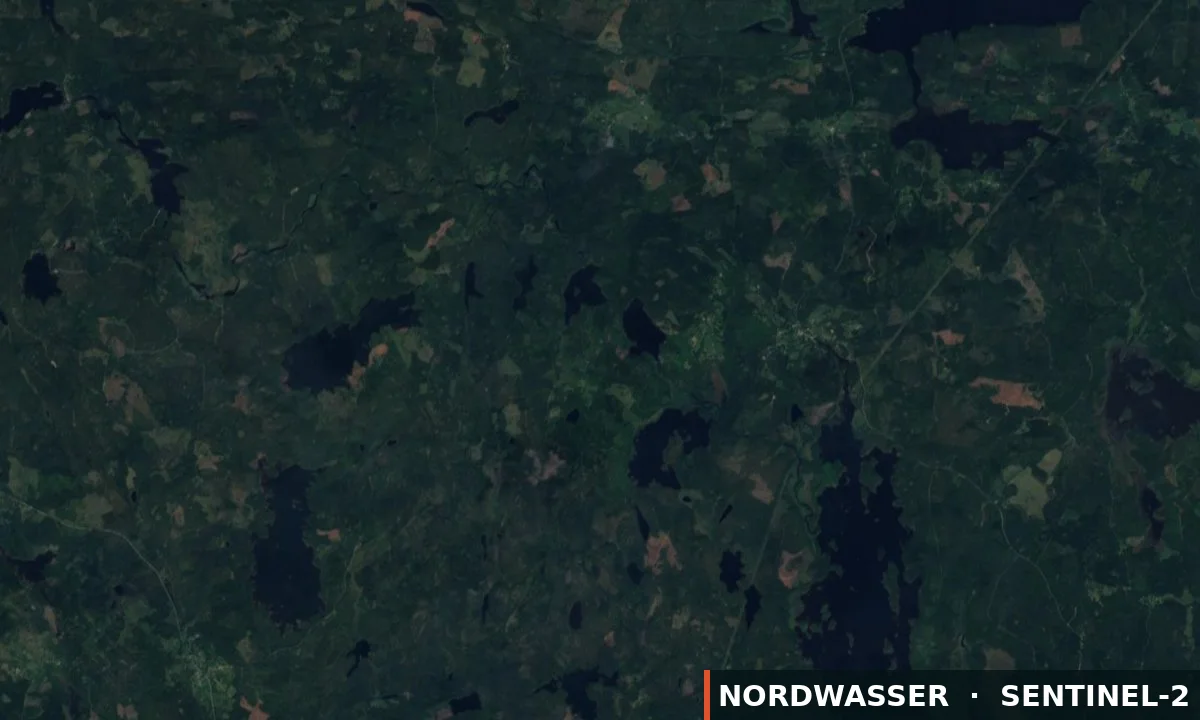
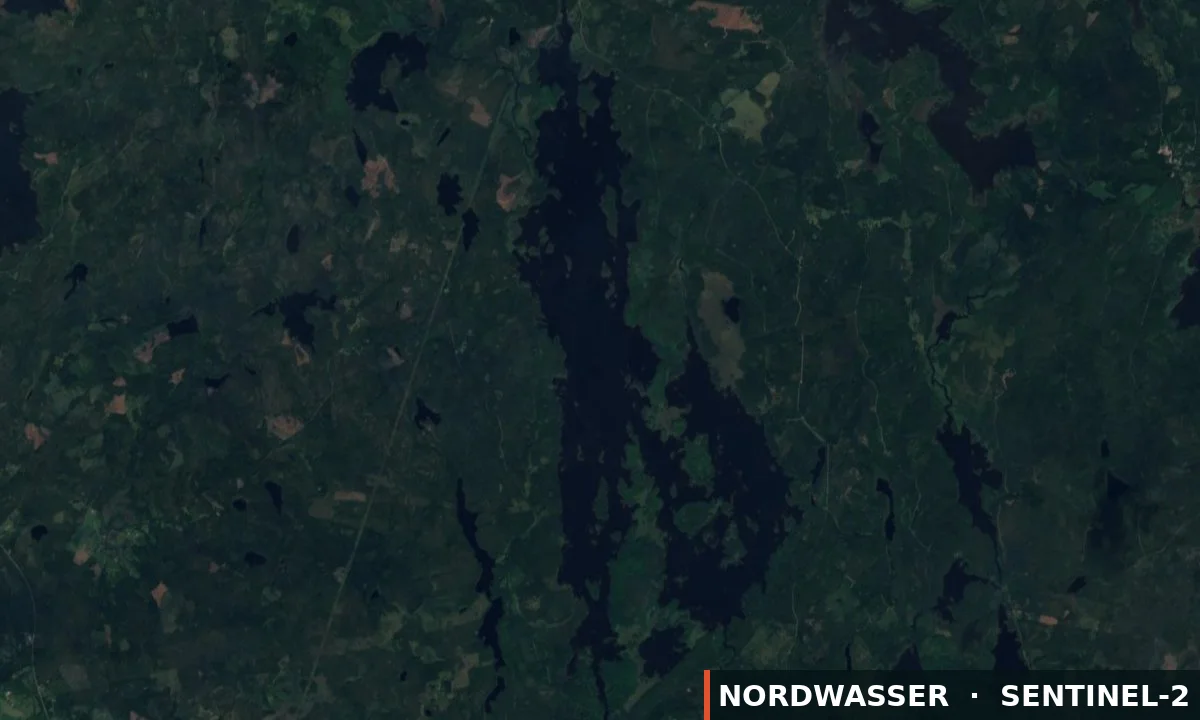
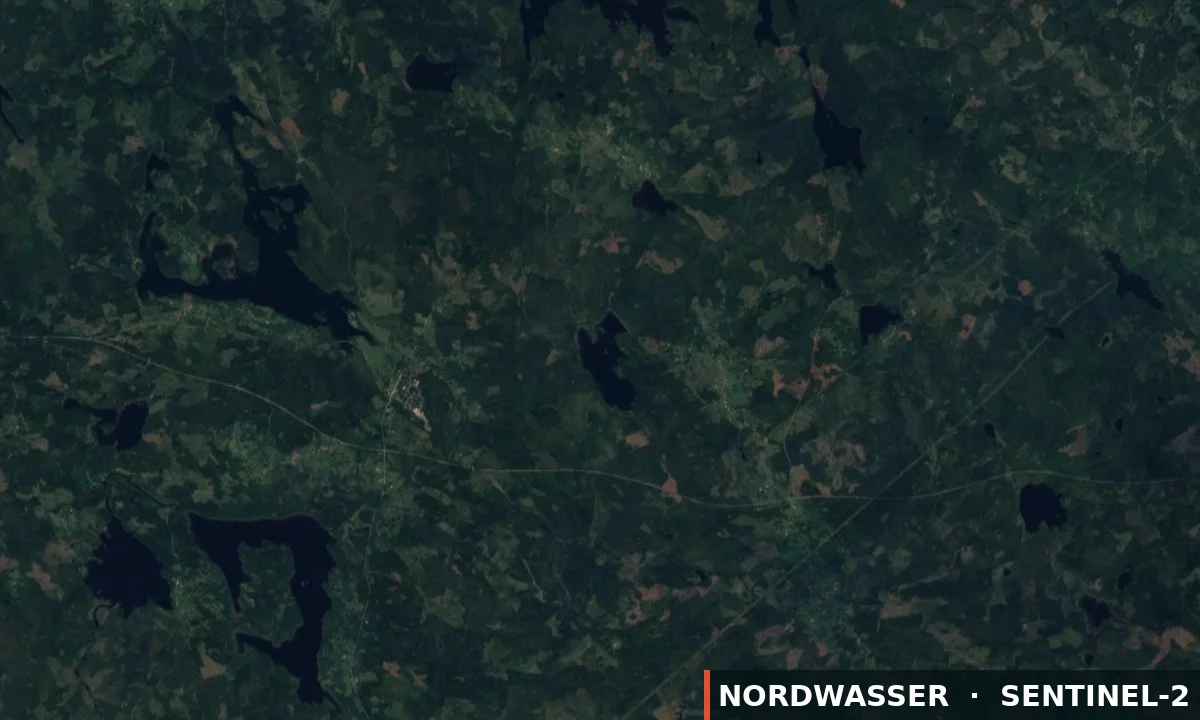
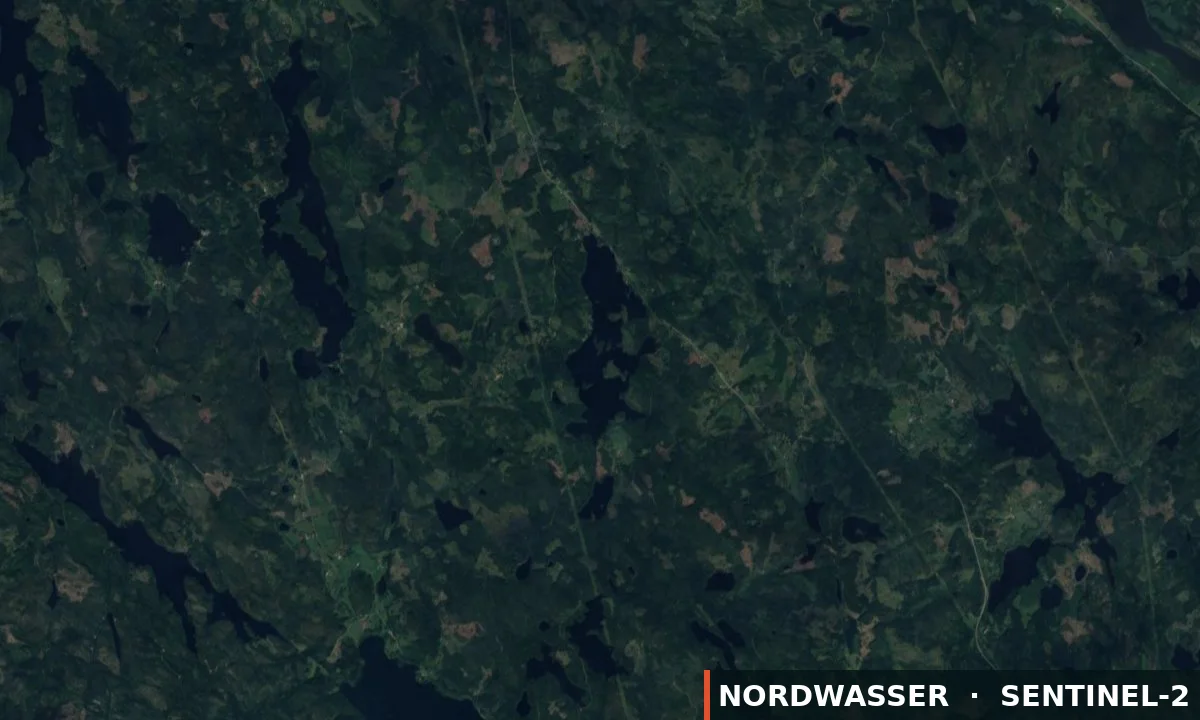
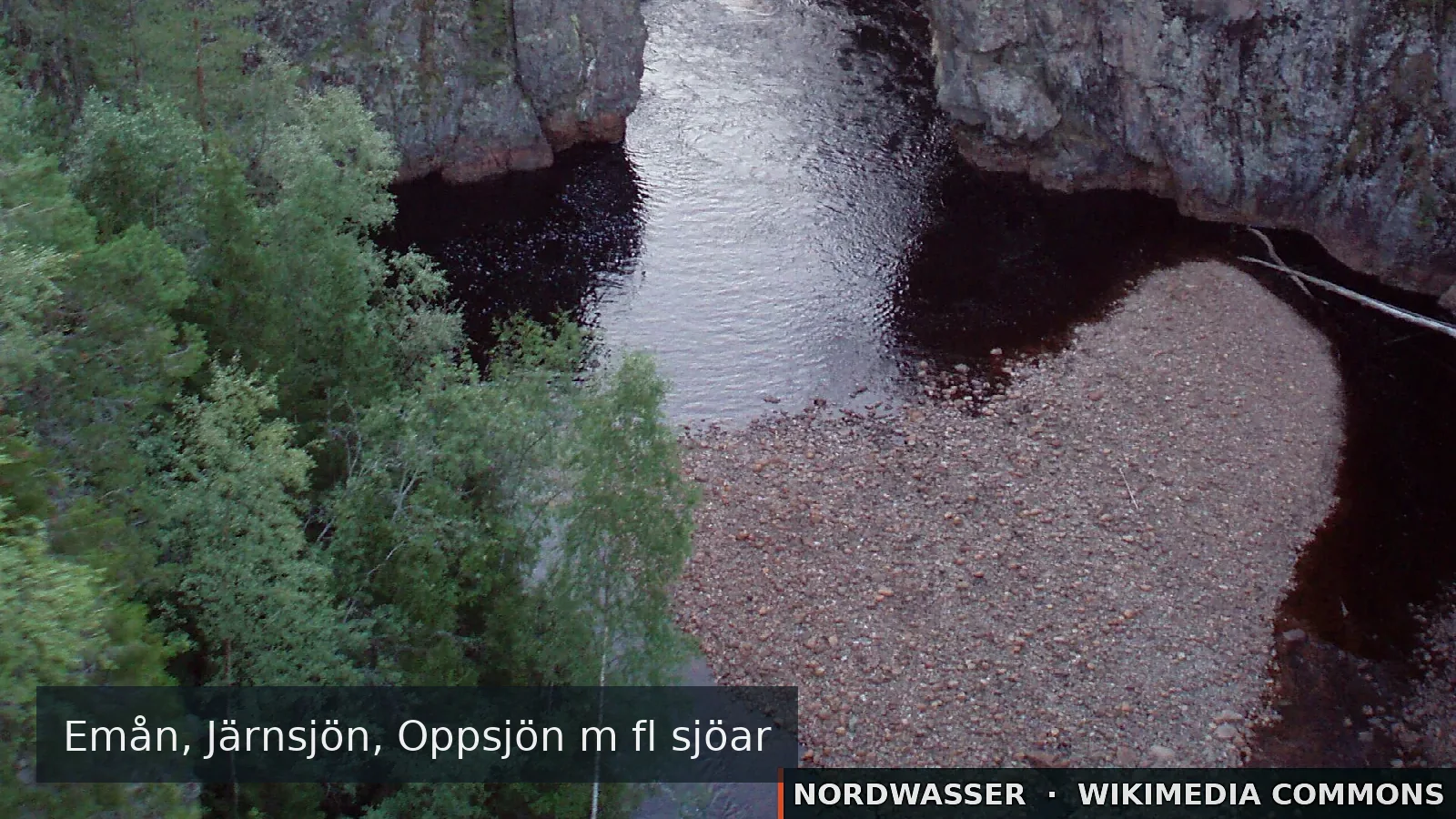
All waters of the fisheries conservation areaEmån, Järnsjön, Oppsjön, Vensjön, Övre and Nedre Svartsjöarna, Breda o Smala Viksjön, Klevegöl, Stubbegöl, Starrängsgölen, Magregöl, Avegöl ... Available waters of the fisheries conservation area Emån, Järnsjön, Oppsjön, Vensjön, Övre and Nedre Svartsjöarna, Breda o Smala Viksjön, Klevegöl, Stubbegöl, Starrängsgölen, Magregöl, Avegöl, Skattebergagölen, Lommegöl. No fishing permitted in Pauliströmsån and SällevadsånEmånFishing in Emån is available from Nyboholm, Kvillsfors in the west to Klövdala in the east. Emån is a varied river with high sport-fishing value. Fish species: perch, pike, roach, bream, bleak, rudd, tench, chub, burbot and others.Tips for:Beginners: Bottom-fish in holes and catch bream and roach.Experts: Fish for large pike with both spinning and angling.Explorers: Pike fishing has great potential and there is plenty to explore. The river is classified as a Natura 2000 area with a large number of valuable species linked to the water system, both flora and fauna. The river contains more than 30 different fish species with characteristic species such as catfish, sea trout, salmon and chub.Fishing in EmånBottom angling for roach and bream works well on the stretch at Fröreda, where fish are found in slow-flowing holes and where the river bends. Large pike can also be found there, and the most effective way to encounter larger fish is float fishing with baitfish where the current is calmer. Pike over 12 kg have been caught on the stretch and fish between 5 and 10 kg are common. Bottom angling for pike in deep holes is also a good method. It is also good to spin for pike with a wobbler, jig or spoon lure. Good places for large pike are around Fröreda, downstream of Järnsjön and downstream of the hydroelectric power station at Järnforsen. Larger perch can sometimes be found in the deep and calmer sections. Chub can be found on virtually the entire stretch. Good stretches are around Fröreda and downstream of Järnforsen. Good methods for chub are bottom angling and, since chub is an omnivore, many different baits can be used, such as cheese, sausage, prawn, bread or maize.JärnsjönJärnsjön lies just west of Järnforsen and is flowed through by Emån. It is a shallow small lake and the surroundings are dominated by wetland and agricultural land. Vegetation in the lake is dominated by bulrush and common reed. You can reach the lake either via the road between Järnforsen and Vetlanda or by making your way to the church west of Järnforsen. If you pass the church, there is a small bathing place where you can also park and launch a boat. Järnsjön is an important bird lake with valuable wetlands south of the lake. It has an interesting history as a polluted lake where environmental toxins accumulated in the bottom from upstream activities. To restore the lake and achieve better water quality for Emån, the lake was dredged in 1994, which has been positive both for the lake and for the whole river downstream.Fishing in JärnsjönPike fishing is very good in the lake and pike over 13 kg have been caught, and fish between 5 and 10 kg are common. Good methods are spinning with a wobbler along the edges or angling with a float and baitfish. A blue Zaltwobbler is a good bait for pike in the lake. Ice fishing is also effective in the northern part. Since the lake has a very even bottom and contains similar depths, fish can be found almost anywhere. A slightly deeper river channel is adjacent to the river mouths, where fish can sometimes be found. Perch occur throughout the lake and can be caught on spinners and jigs. Carp fish such as bream and roach can be angled at the mouth where Emån flows out of the lake.Those who want to discover and explore new waters also have several smaller lakes and pools included. Here you can experience fishing in peace and quiet together with black-throated diver, osprey and other species that like undisturbed places. Free fishing for children and young people up to and including the age of 14 years. Järnforsens FVOF was formed in 1991 for the purpose of creating, as fishing-rights holders, an organisation tasked with strengthening the common interest relating to fishing.